

Dust Mite Dust-Up
12 Steps to Reduce the Effect of Dust Mites on Your Child’s Asthma and Allergies
First, Some Facts
- 80% of allergy sufferers are sensitive to dust mites
- Dust mites are THE most common asthma trigger in the world
- Dust mite antigen is one of the strongest common antigens known
- The bedroom is the primary problem source for dust mites
- Don’t ignore rooms outside the bedroom – those upholstered sofas and comfy chairs can be a nice home for dust mites, too
- To minimize dust mites, drier is better
Some Questions (and Answers):
- What are house dust mites? Tiny (0.3mm) arachnids related to ticks and spiders. They live in house dust, and they love dead, flaked-off skin. No home is without them. Some have more than others.
- Why are people so allergic to dust mites? They are very “foreign” from the perspective of your immune system– that is, there is a great distance between humans and dust mites, from an evolution standpoint. Much greater than for cats for example.
So our immune systems see dust mite proteins as “more foreign” than cat dander. For example, the evolution-distance that separates humans from dust mites is about 600 Million years. It is 60 Million years for humans and cats. - What exactly are we allergic to? We respond to dust mite poop. Specifically, the enzymes and proteins in dust mite poop, along with proteins and DNA from bacteria that are present. Allergists believe that this particular combination – the dust mite proteins and enzymes, combined with bacteria proteins and DNA – make this a VERY strong antigen.
- How can I tell whether dust mites are causing my child’s asthma?
- First, consult an allergy specialist, preferably someone with expertise in allergies and asthma.
- The younger your child is/was when asthma develops, the more likely it is to be allergic.
- If you or your child had infantile eczema, hayfever, or food allergy, asthma is more likely to be allergic.
- If asthma gets better or worse according to surroundings, it is likely allergic.
For examples:- Asthma improves in hotels or in drier climates while on vacation.
- Asthma that worsens when staying in spare bedroom at relatives or friends.
- Asthma that worsens when dusting around the house, emptying the vacuum cleaner, or making beds.
The Good News
Getting Rid of Them
There ARE things that you can do to reduce dust mites, make them less happy:
- Dust-proof bedding covers
- Launder bedding often, at high temperature
- HEPA-filtered vacuum carpets and mattresses at least weekly
- Vacuum sofas and upholstered chairs also
- Vacuum drapes, too
- Get rid of stuffed toys
- Get rid of carpets if possible
- Damp-dust surfaces
- Replace cloth-upholstered furniture with wood
- Limit humidifier use to nighttime, let the rooms dry out during day
- Ventilate bedrooms; don’t make the beds in order for them to air-out and dry out during the day
- Consider wearing simple paper surgical mask for house work – dusting, making beds, vacuuming – to minimize worsening of symptoms
Finally, The Bad News (as if that wasn’t bad enough):
You can NOT absolutely eliminate dust mites from your home. You can’t. Sorry. It’s not my fault.
You can merely reduce them, make them less happy, less likely to multiply, and reduce the effect of their allergens: rhinitis, asthma, eczema.
If you or your child have asthma and allergies, doing everything you can to REDUCE them will be beneficial. Use the tips above. It will help, I promise. See you here again as we continue to explore ways to achieve healthy airways.
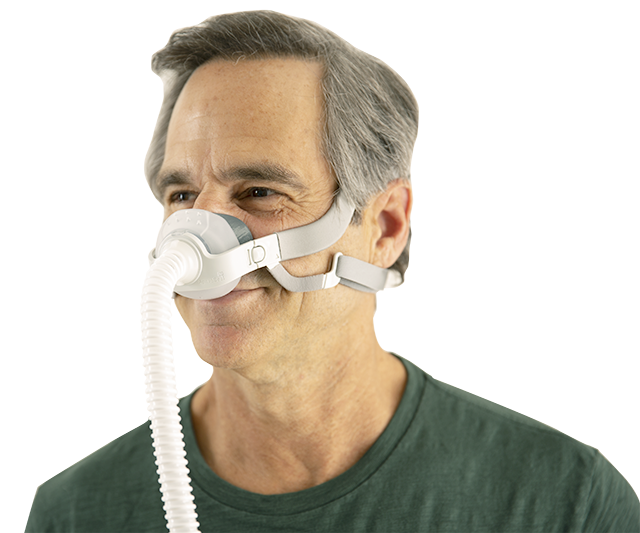
The majority of people with allergic rhinitis have difficulty sleeping due to nasal congestion. Due to nasal congestion that worsens through the night. It can be severe, causing obstructive sleep apnea. That is due to sensitivity to dust mites! All 3 of my own little monkeys start the night just fine, but have obstructive apnea by morning due to severe rhinitis and nasal congestion.
We do follow above 12 steps like a religion, with some improvement. It is work. It is not a cure, but you CAN reduce the symptoms. Give those tips a try.
Thanks for visiting, and see you here again. I appreciate your comments and questions. Keep ‘em coming. Please, “be excellent to one another.”
I invite you to subscribe (it’s FREE) to this blog for weekly updates – you won’t be swamped by updates, I simply cannot write for the blog everyday.
Click here to subscribe for free weekly updates.
To subscribe (again, it’s FREE), go to the top of the page, click on “subscribe”, type in your best email address (the one that you actually use). When you receive the confirmation email, click on the link to give your okay to receive weekly updates.
You will receive free weekly updates, without needing to visit the website. It’s convenient, it’s easy. You can un-subscribe at any time.
Stay Informed.
Stay Healthy.
Best of health and success to you and your families.
Until next time, remember … you can pick your friends, and you can pick your nose, but you can’t pick your friend’s nose (unless you’re a boogor doctor :~D)
I promise to continue to work hard to help empower you with knowledge: to improve your health and the health of your children. RF
.
Resources:
Great Website: “House dust mites – cause of most asthma, nasal allergy and some eczema”: http://www.users.globalnet.co.uk/~aair/mites.htm
Check out the blog, Allergy Notes, for tips on reducing dust mites: http://allergynotes.blogspot.com/2009/03/patient-information-measures-to-control.html
An interview with Dr. Platts-Mills, famous allergist at the University of Virginia: http://www.achooallergy.com/platts-mills-interview.asp
Reduce dust mites by not making beds: http://news.bbc.co.uk/2/hi/health/4181629.stm
2 Responses to “Dust Mite Dust-Up”
Trackbacks/Pingbacks
-
-
27. Oct, 2011
[...] that is too high can be a huge problem if you have allergies or asthma.Dust mites love high humidity. Molds love high humidity. Their allergens can trigger asthma exacerbations and [...]


Hello and thank you for stopping by "Ask the Boogor Doctor". This site is dedicated to helping you achieve optimal health for your children, following an integrative holistic approach to care of the Pediatric Airway: pediatric sinusitis, allergies, asthma, rhinitis, reflux, otitis, and all pediatric ENT.
Russell A. Faust, PhD, MD
29. Oct, 2011
Agreed, SinusSister:
If using a humidifier, you must turn it off during the daytime, and open up that room to air out. As you say, dust mites LOVE humidity.
Thank you for visiting, and for contributing.
RF (boogs)