

The “Ciliopathies”
Background (you can skip this part):
Cilia are little hair-like projections on many different cell types. Their function is extremely complex. Our understanding of their function is still evolving. But we do know that normal function of cilia is crucial for normal development of many organs including kidney, brain, eye, and the cardiovascular system.
After development, normal cilia function is crucial for normal function of several organ systems, especially the lining of the respiratory tract – the respiratory epithelium. This epithelium lines the larger passages of the lower airway, and the upper airway including the ears, Eustachian tubes, nose, and sinuses. Here, cilia function to sweep a thin layer of secretions out of the airway generally toward the pharynx, or throat. These secretions, containing various microorganisms and airborne pollutants, are swallowed and the stomach acid generally kills them.
Primary Ciliary Dyskinesia (PCD):
PCD means to be born with an abnormality that prevents cilia from working normally. Although there is great excitement over recent discovery of some of the genes that are involved in “primary ciliary dyskinesia,” this is a relatively rare disease, with an incidence estimated to range from 1 in 15,000 to 1 in 60,000. Classic symptoms include chronic otitis, chronic sinusitis, and chronic bronchitis with pneumonias. Visit the PCD Foundation site here: http://www.pcdfoundation.org/
Acquired Ciliary Dyskinesia:

Ciliated Respiratory Epithelium: pink blobs are pollen, gray specs are pollution particles, sitting in orange cilia
Much more common is secondary, or acquired, ciliary dyskinesia. This is a condition where the cilia don’t function normally due to some insult – a viral infection for example, or some irritant such as tobacco smoke or other pollutants, or even the inflammation caused by allergens - things we are allergic to, like pollen. The bottom line is that healthy sinuses, ears, and lungs, all require normal muco-ciliary clearance: normally functioning cilia, and normal mucus with the proper viscosity and proper amount.
So, treat your cilia well … be excellent to them:
So, keep ‘em safe from toxins and pollutants.
See previous post: http://wp.me/pR4iB-5E
Also, Keep ‘em Moist:
Even without being exposed to one of the above insults cilia may be unhappy. They are happiest in 100% humidity. If they become too dry they stop working normally. Use a humidifier at night if you live in a dry climate (see earlier post on humidifiers: http://wp.me/pR4iB-2X ). Use a simple saline spray during the day (these are not addicting, unlike some nose sprays). Use saline sinus rinses daily for happiest cilia (see earlier posts on sinus rinses, listed below).
The Result:
If the cilia do not sweep away mucus with particulate matter including virus particles or bacteria or mold, the result can be chronic rhinitis and sinusitis – chronic rhinosinusitis, or CRS. Injury of the respiratory ciliary mechanism is just one of the ways that exposure to toxins and irritants contribute to asthma exacerbations and chronic rhinosinusitis.
Nose Pudding:
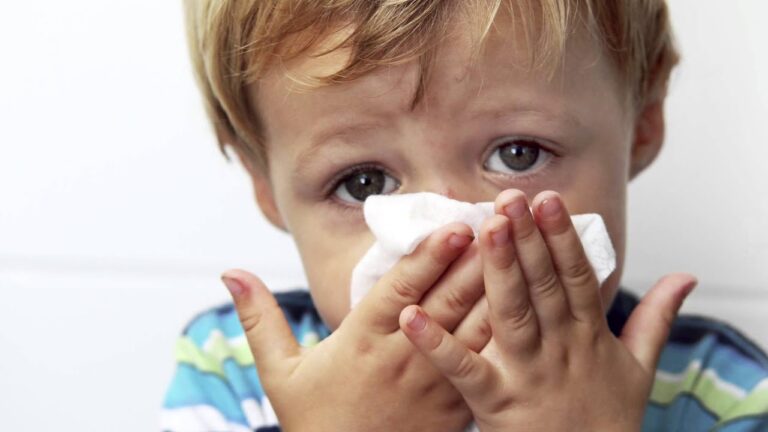
That is, if the cilia aren’t working normally, secretions containing all those microorganisms, pollutants, allergens, and general irritants, simply stagnate. They accumulate. The result is that your child always seems to have thick green “pudding” running from their nose.
Whereas some parents, and even some physicians, dismiss this as just a “snotty-nosed kid,” this is not normal. It can simply be a viral URI or “cold”. But a “cold” that lasts for more than 2 weeks is a sign of rhinosinusitis. That foul stuff is a common trigger for reactive airway, or asthma. If YOUR child has green “nose-pudding” for more than 2 weeks, if they always seem to have it, get them to a boogor doctor.
Bottom line: if your cilia don’t work normally, the result is not pretty.
What to do?
How can you use this information to help prevent these recurrences in your child? While you are waiting to see a doctor, think about the causes of unhappy cilia. Do daily saline sinus rinses – this will help rinse away pollutants, allergens and other irritants, viruses, bacteria, and mold.
To download this article as a free PDF file: http://wp.me/PR4iB-s7
Check these earlier posts – they will help you reduce exposure to toxins and pollutants, and reduce triggers for allergic rhinitis.
Resources (This Blog):
- Allergic Rhinitis CAN Be Controlled – Here’s How: http://wp.me/pR4iB-Q
- What is Sinusitis? http://wp.me/pR4iB-1w
- STOP BREATHING: Your Air Is Killing You (and what to do about it): http://wp.me/pR4iB-5E
- Saline Sinus Rinses: What Good Are They? Parts 1-4:
- Part 1: http://wp.me/pR4iB-1I
- Part 2: http://wp.me/pR4iB-1L
- Part 3: http://wp.me/pR4iB-1T
- Part 4: http://wp.me/pR4iB-1Y
You might find the tips in those posts helpful, but NOTE: there is NO QUICK CURE for the child with chronic nose pudding (CRS). If you are fortunate you will make your way to a pediatric boogor doctor (ENT – Ear, Nose & Throat, Otolaryngologist) who uses an integrative approach to controlling and preventing CRS for your child.
Question for you: If you have a child with PCD, how are you optimizing their airway?
Please click on “Leave a Reply” below, leave a comment to let us know so we can all learn, and to ask questions.
Thanks for visiting, and see you here again. I appreciate your comments and questions. Keep ‘em coming. Please, “be excellent to one another.”
If this blog is helpful for you, please click here to subscribe for free email updates (did I mention it’s FREE):
Simply type your best email address (the one you actually use) into the orange-outlined box at the upper right of the page, and click the subscribe button. When you receive the confirmation email, click on the link to give your okay to receive weekly email updates.
No advertising, no spam. It’s easy, it’s convenient, it’s free. You can un-subscribe any time.
Stay informed, stay healthy.
Best of health and success to you and your families.
Until next time, remember … you can pick your friends, and you can pick your nose, but you can’t pick your friend’s nose (unless you’re a boogor doctor :~D)


Hello and thank you for stopping by "Ask the Boogor Doctor". This site is dedicated to helping you achieve optimal health for your children, following an integrative holistic approach to care of the Pediatric Airway: pediatric sinusitis, allergies, asthma, rhinitis, reflux, otitis, and all pediatric ENT.


Jenn
10. Jun, 2010
Dr. Faust, thank you for such a clear explanation. My son has PCD, and we are already doing daily saline rinses. Are there any other things that we can do to help too. Thanks, Jenn
Russell A. Faust, PhD, MD
10. Jun, 2010
Dear Jenn,
Thanks so much for visiting. Glad to hear that you are already using nasal saline rinses to help control your son’s PCD symptoms – there is not a better way to optimize his health. I appreciate your question about additional things that you can do to help. This is a frequent question by parents of children with PCD that I see in clinic. Unfortunately, the best that we can do is monitor these children closely for signs of exacerbation – bronchitis, otitis or mastoiditis, rhinitis and sinusitis. Exacerbations usually need to be aggressively and quickly treated with antibiotics – this is one of the few groups of patients where I support early use of antibiotics. Otherwise, keep up daily rinses. Saline nasal rinses will help de-congest, help rinse away allergens, viruses, bacteria, molds, and pollutants. This helps keep the sinuses open and healthy, helps keep the eustachian tubes open and the ears healthy, and helps keep upper airway infections from triggering lower airway problems. Thanks again for visiting, and see you here again soon, RF
Jennifer
13. Dec, 2011
My daughter has PCD. We do sinuses rinses, air clearances and nebulizers to help keep her clear. My question is; we are moving to Denver, Co and are concerned with the dry climate and how it may effected her? How does will the dryness effect her?
Russell A. Faust, PhD, MD
13. Dec, 2011
Hi Jennifer,
Sorry to hear about the diagnosis of PCD – it can be a real challenge. To answer your question: I have no idea. I have always practiced medicine in the Midwest and East / Southeast, and I have no idea what to expect in the desert Southwest. You may be pleasantly surprised (I hope so). No matter what, I recommend using one of the over-the-counter nasal saline sprays, preferably one with a high concentration of Xylitol in it. My personal favorite is by Xlear.com, and I use their small spray bottle myself. I carry one with me at all times, or at least try to, and use it every hour if possible. Not only does that optimize nasal hygiene – a goal for your daughter – but the Xylitol helps kill some bad bugs (“pathogens”) and also prevents most bacteria from adhering to the nasal lining. That is a HUGE benefit, because if they can’t stick, they can’t infect.
I’m sure you’ll love the Denver area. I miss the mountains of the Pacific Northwest.
Please visit again once you’re out there, let us know the answer – does the high elevation and dry air positively or negatively affect PCD, or not at all?
Thanks again for visiting, and for taking time to share!
RF (boogs)